


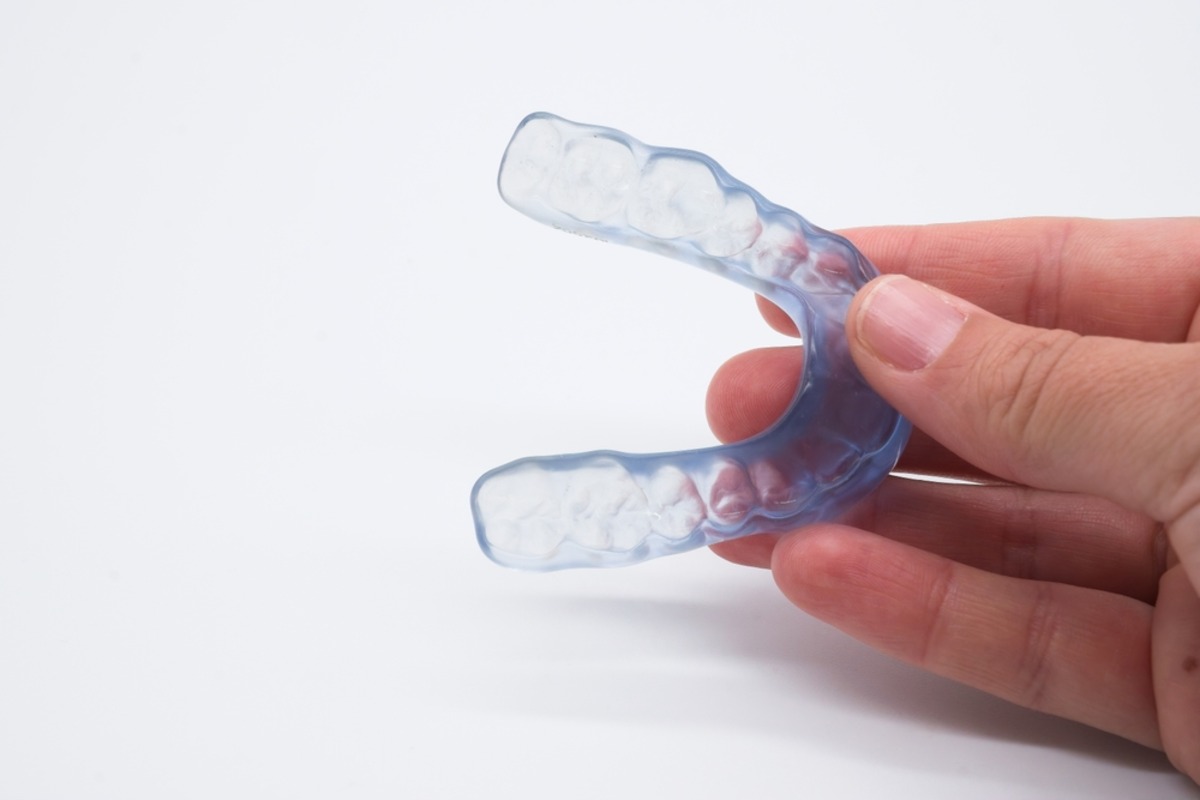
Waking up with a sore jaw or noticing increased wear on your teeth can be signs that you grind or clench your teeth while sleeping. If you are searching for night sports guards in Kelowna, it is important to understand that a night guard for teeth grinding is different from a sports mouthguard. A dental professional can assess your symptoms and determine which type of appliance is appropriate for your needs.
Why Does Teeth Grinding Matter?
Teeth grinding, also called bruxism, puts repeated pressure on your teeth and jaw. It can involve clenching your teeth together or moving them against each other, often without you realizing it while you sleep.
Over time, you may notice:
- Worn or flattened tooth surfaces
- Small cracks or chips in the enamel
- Increased tooth sensitivity
- Jaw soreness or stiffness
- Morning headaches
- Tenderness in the facial muscles
- Damage to existing dental restorations
These symptoms can also be caused by other dental concerns, so an examination by a dentist in Kelowna can help determine whether teeth grinding is the underlying cause.
How Does a Custom Night Guard Help?
A night guard creates a protective layer between your upper and lower teeth while you sleep. It does not necessarily stop grinding or clenching, but it can reduce direct contact between the teeth and help protect them from repeated pressure.
A night guard for grinding is different from a sports mouthguard. Sports mouthguards are designed to protect the teeth from impact during physical activities, while night guards are designed for use during sleep.
Understanding the difference can help you choose an appliance that is designed for your specific needs.
What Happens When You Get a Custom Night Guard?
The process usually begins with an oral examination. A dentist near you can check for signs of tooth wear, cracks, damaged restorations, and other changes that may indicate bruxism. Your bite and jaw may also be assessed to better understand how you are clenching or grinding.
If a night guard is recommended, your dentist may take impressions or digital scans of your teeth. These measurements are used to create an appliance designed specifically for your mouth.
Once the appliance is ready, your dentist will check its fit and make sure it sits comfortably. You will also receive instructions on how to wear, clean, and store your night guard.
Why Choose a Custom Night Guard?
Over-the-counter night guards are designed to fit a wide range of mouths and may require you to shape the material yourself. While they can be convenient, they may not provide the same level of fit as an appliance made specifically for your teeth.
A custom night guard is created using a model or digital scan of your teeth. This allows the appliance to be designed around your bite, tooth position, and individual dental needs.
If you are considering night sports guards, ask your dental professional which type of appliance is appropriate. A guard designed for sports may not provide the protection needed for nighttime grinding.
What Does a Night Guard Feel Like?
A new night guard may feel unusual when you first start wearing it. You may notice increased saliva or simply feel more aware of the appliance during the first few nights.
A properly fitted guard should feel secure while you sleep. If it causes ongoing discomfort, changes your bite, or develops rough or damaged areas, have it checked rather than trying to adjust it yourself.
Regular cleaning is also important. Follow your dentist’s care instructions, allow the appliance to dry properly, and store it in its case when you are not wearing it.
How Long Will You Need to Wear It?
The recommended wearing schedule depends on the severity and frequency of your grinding, as well as the condition of your teeth. Some people may need to wear a night guard regularly for an extended period, while others may require a different approach.
Your dental team can monitor your teeth and the condition of the appliance during routine visits. Bringing your night guard to appointments when requested allows your dentist to check for signs of wear and make sure it continues to fit properly.
Protect Your Teeth While You Sleep
You cannot consciously control grinding while you are asleep, but a properly fitted night guard can help protect your teeth from repeated pressure. An examination can help determine whether bruxism is contributing to your symptoms and whether a custom appliance may benefit you.
Mission Park Dental can assess your teeth, discuss the possible causes of wear, and explain whether a custom night guard is appropriate for you. Contact us today to schedule an appointment and learn more about protecting your smile.
Frequently Asked Questions
How do I know if I need a custom night guard?
Signs such as worn teeth, jaw soreness, morning headaches, or damaged dental restorations may indicate nighttime grinding. A dental examination can help determine whether bruxism is contributing to these symptoms and whether a custom night guard may be suitable.
How long does it take to get a custom night guard?
The process usually involves an examination followed by impressions or digital scans of your teeth. Once the appliance is made, your dentist will check its fit and provide instructions for wearing and caring for it.
Can I wear a sports mouthguard instead of a night guard?
Sports mouthguards and night guards are designed for different purposes. A sports mouthguard protects your teeth from impact during physical activity, while a night guard is designed to reduce direct tooth contact caused by grinding or clenching during sleep.
How should I clean and care for my night guard?
Clean your night guard according to your dentist’s instructions and allow it to dry properly before storing it in its case. Regular dental visits can also help your dentist check the appliance for wear and make sure it continues to fit properly.