


Jaw pain, clicking sounds, headaches, or difficulty chewing can make everyday activities uncomfortable. Many people use the terms TMJ and TMD interchangeably, but they are not the same. Understanding the difference can help you recognize symptoms sooner and seek the right care. If you’re looking for TMD treatment in Kelowna, learning how these conditions affect your jaw is the first step toward finding relief and improving your quality of life.
What Is TMJ?
TMJ stands for the temporomandibular joint. You have one joint on each side of your face, connecting your lower jaw to your skull. These joints allow you to:
- Open and close your mouth
- Speak clearly
- Chew food
- Yawn comfortably
- Move your jaw from side to side
In simple terms, the TMJ is the joint itself. Every person has TMJs, whether or not they experience jaw problems.
What Is TMD?
TMD stands for temporomandibular disorder. It refers to a group of conditions that affect the jaw joints, muscles, or surrounding tissues. Instead of describing the joint, TMD describes problems involving the joint.
Some people have mild symptoms, while others experience ongoing pain that affects their daily activities.
Common symptoms include:
- Jaw pain or tenderness
- Clicking or popping sounds
- Difficulty opening or closing the mouth
- Frequent headaches
- Ear pain without infection
- Facial soreness
- Jaw locking
- Pain while chewing
Because symptoms vary, a professional evaluation is important for identifying the exact cause.
TMJ vs. TMD: Understanding the Difference
The easiest way to remember the difference is:
| TMJ | TMD |
| Refers to the jaw joint | Refers to disorders affecting the jaw joint |
| Everyone has TMJs | Not everyone develops TMD |
| Normal part of anatomy | Medical condition requiring evaluation when symptoms occur |
Think of it this way: your knee is a joint, but knee arthritis is a condition affecting that joint. The same idea applies to TMJ and TMD.
What Causes TMD?
TMD may develop for several reasons. Sometimes, more than one factor contributes to the condition.
Possible causes include:
- Teeth grinding or clenching
- Jaw injuries
- Arthritis affecting the joint
- Stress-related muscle tension
- Bite problems
- Poor posture
- Joint inflammation
In many cases, identifying the underlying cause helps guide the most appropriate treatment plan.
How Is TMD Diagnosed?
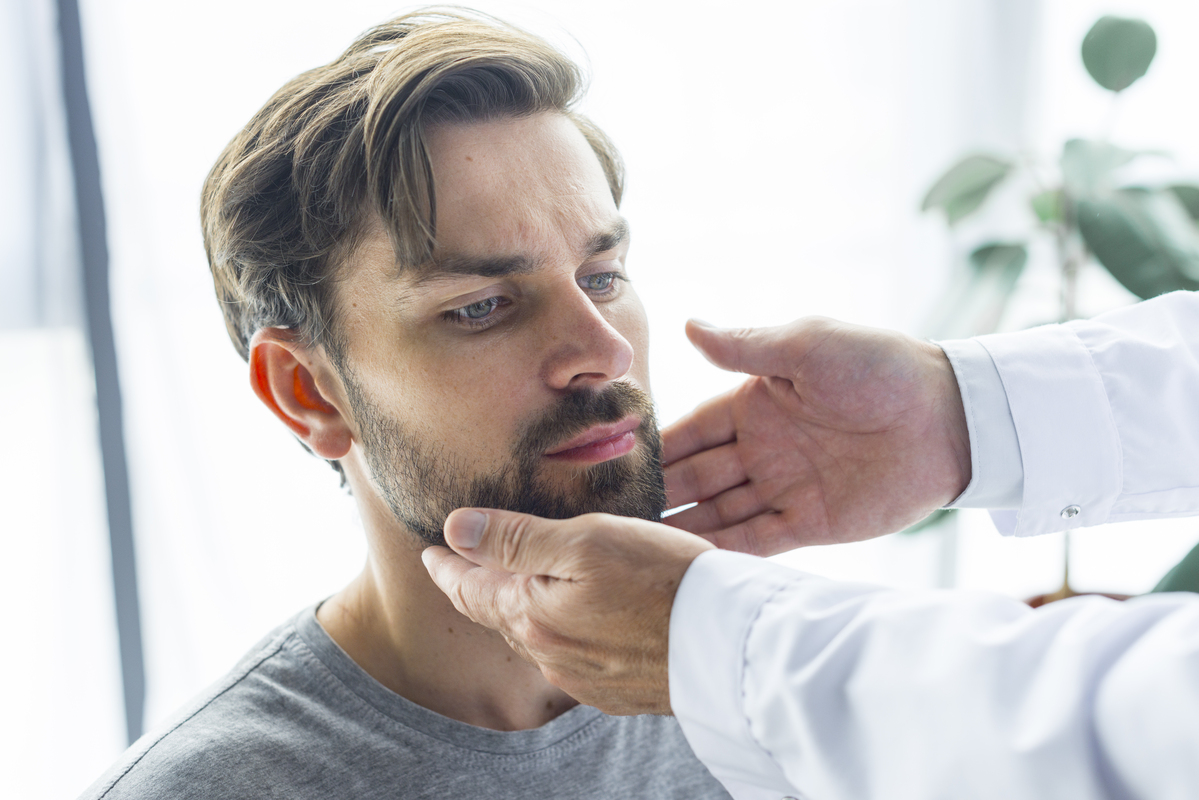
A dentist in Kelowna will begin by discussing your symptoms and medical history before examining your jaw.
The examination may include:
- Checking jaw movement
- Feeling the jaw muscles for tenderness
- Listening for clicking or popping
- Evaluating your bite
- Assessing areas of discomfort
When needed, digital imaging may be recommended to understand the condition better and rule out other problems.
TMD Treatment Options
Treatment depends on the severity of symptoms and the underlying cause. Many patients improve with conservative care.
Common treatment options include:
Custom Night Guards
A custom oral appliance may help reduce pressure caused by nighttime teeth grinding or clenching while protecting the teeth from excessive wear.
Lifestyle Changes
Small daily adjustments can reduce jaw strain, including:
- Eating softer foods temporarily
- Avoiding excessive gum chewing
- Limiting a very wide mouth opening
- Practicing good posture
Jaw Exercises
Gentle stretching and strengthening exercises may improve jaw movement and reduce muscle tension when recommended by your dental professional.
Stress Management
Since stress often contributes to jaw clenching, relaxation techniques may help decrease muscle tightness and discomfort.
Medications
In some cases, a healthcare provider may recommend anti-inflammatory medications or muscle relaxants to manage pain and inflammation.
If you’re searching for TMD treatment near you, an evaluation can determine which approach best fits your individual needs.
When Should You Seek Professional Care?
Jaw clicking without pain is not always a problem. However, if you notice any of the following symptoms, it’s a good idea to schedule a dental evaluation:
- Jaw pain lasting more than a few days
- Difficulty chewing meals
- Frequent headaches related to jaw discomfort
- Jaw locking open or closed
- Persistent facial pain
- Limited jaw movement
Early assessment may help prevent symptoms from worsening.
Can TMD Be Prevented?
Although not every case can be prevented, healthy habits may reduce your risk.
Helpful tips include:
- Avoid clenching your teeth during the day.
- Manage stress whenever possible.
- Maintain good posture while working.
- Avoid chewing hard objects like ice or pens.
- Schedule regular dental visits to monitor oral health.
Paying attention to early warning signs allows problems to be addressed before they worsen.
Conclusion
Jaw discomfort should not become part of your daily routine. If you’re experiencing persistent pain, clicking, or difficulty moving your jaw, seeking a professional evaluation can help identify the cause and create a personalized treatment plan. Contact Mission Park Dental today to schedule an appointment and take the first step toward a healthier, more comfortable smile.
FAQs
1. Is TMJ the same as TMD?
No. TMJ refers to the jaw joint, while TMD refers to disorders affecting that joint and the surrounding muscles.
2. Can TMD cause headaches?
Yes. Jaw muscle tension and joint problems can contribute to headaches, facial discomfort, and neck pain in many individuals.
3. Does TMD always require surgery?
No. Most patients improve with conservative treatments like oral appliances, exercises, and lifestyle modifications before considering surgery.
4. Can stress make TMD worse?
Yes. Stress often increases teeth clenching and muscle tension, which may worsen jaw discomfort and related symptoms.
5. Should I visit a dentist near you for jaw pain?
Yes. A dentist near you can evaluate your symptoms and recommend appropriate treatment based on your condition.
6. How long does TMD treatment take?
Treatment time varies depending on symptom severity, underlying cause, and the consistency with which recommended care is followed.